After years of waiting, the FAA’s draft BVLOS (Beyond Visual Line of Sight) rule is live.
[Read the FAA’s fact sheet here and read the full rule here.]
The rule is over 700 pages long, and there’s a lot to sift through.
As a summary, the rule makes it:
- Easier to fly BVLOS. The rule is designed to let drone operators routinely fly beyond the pilot’s line of sight without needing special permissions for each mission.
- Safer to fly. The rule calls for all BVLOS operators to use Unmanned Traffic Management (UTM) systems, ensuring safe drone separation from crewed aircraft in shared airspace.
- So companies get BVLOS permissions. Companies and organizations—called operators in the rule—are the ones who can get BVLOS permissions from the FAA. This means individual pilots aren’t the ones who get permission, creating a “corporate responsibility model” for BVLOS operations.
Watch this video for a little more information on what’s in the BVLOS rule:
Watch this video on YouTube
The rule is open for public comment from now until October 6.
As proposals take shape and public comments pour in, the industry is bracing for a new process that could transform how drones are integrated into the national airspace forever.
So how are experts reacting to the new rule? Are they excited, worried, or cautiously optimistic?
Let’s take a look.
What Industry Experts Are Saying about the Rule
Flying BVLOS is inherently riskier than flying where you can see your drone.
And this explains why getting a BVLOS waiver has historically been a slow, expensive process—because the FAA will often go back and forth with applicants, asking to see more and more safety information until they feel confident that the proposed operation can be done safely.
So it’s no surprise that many of the comments coming from drone industry experts have to do with safety.
1. Companies Not Drone Pilots
As we noted above, the new BVLOS rule shifts responsibility for BVLOS operations from individual drone pilots to companies and organizations, called operators. Operators can obtain either a Part 108 permit for smaller, less risky BVLOS operations or a Part 108 certificate for larger, more complex BVLOS operations.
Instead of individual pilots applying for waivers or special permissions, certified operators will hold the certificate and be accountable for meeting all regulatory requirements.
This change reflects a move toward a more structured, systems-level approach to drone oversight, bringing it more in line with traditional crewed aviation.
While the framework seems to scale well for large commercial operators, smaller entities and public safety agencies may face significant challenges in meeting certain requirements, such as developing full Safety Management Systems (SMS) or employing certified personnel.
– AUVSI public statement about the FAA’s BVLOS rule (see full statement here)
Pros: This approach streamlines regulatory compliance by placing accountability on organizations with the resources and expertise to manage complex BVLOS operations at scale. It encourages companies to develop strong safety cultures and standard operating procedures, and also aligns the drone industry with the expectations and structure of the broader aviation sector.
Cons: Smaller operators and individual pilots may face challenges adapting to this corporate-centric framework, as the cost and complexity of certification—along with requirements to manage compliance—could favor larger companies with more resources.
2. Detect-and-Avoid Requirements
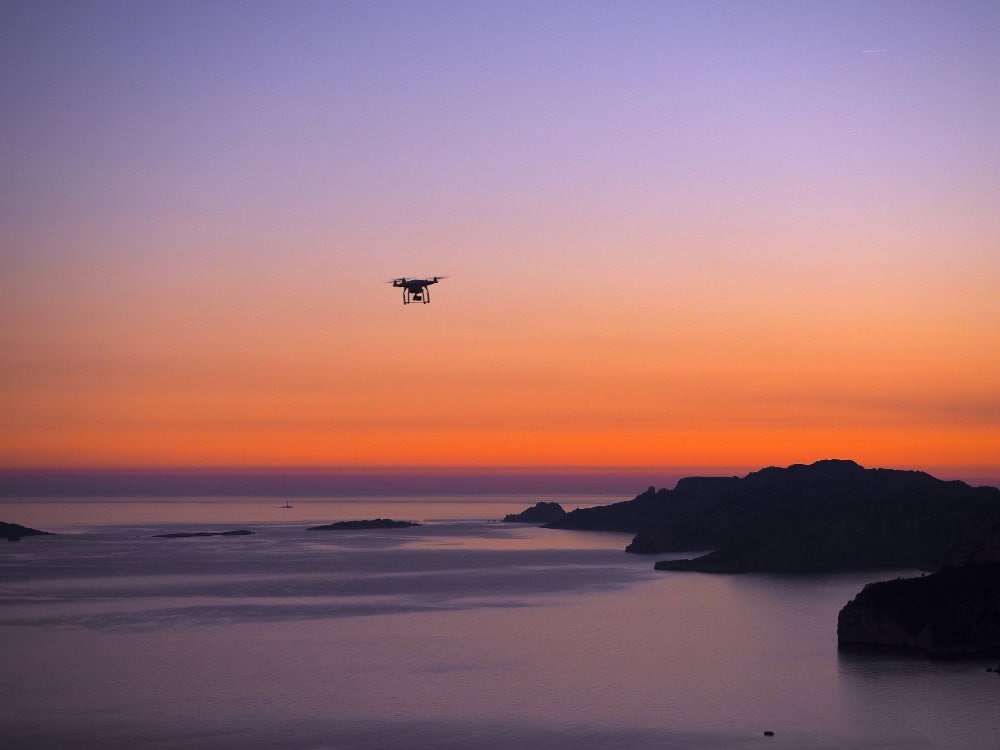
The BVLOS rule requires all drones flying BVLOS be equipped with onboard detect-and-avoid technology.
This technology could be optical or radar-based methods, and would allow a drone to avoid colliding with crewed aircraft,
. . . While great from a safety standpoint, [this] could put a significant burden on manufacturers and operators.
– Matt Sloane, Co-Founder and Chief Strategy Officer of SkyfireAI (quote first appeared in DroneLife)
Pros: Deconfliction—that is, avoiding the flight paths of other aircraft—is crucial for safe BVLOS flying, meaning that this requirement ensures a high degree of safety.
Cons: As you see in the quote above, some are concerned about the high cost and complexity that will come with requiring drone makers and operators to have this technology. On the one hand, we will likely see new “BVLOS drones”—but on the other, many who could benefit from these expanded operations may be priced out.
3. Part 146: New Automated Data Requirements
To support UTM, the BVLOS rule calls for the creation of a new category of company: an Automated Data Service Provider (ADSP).
ADSPs will provide real-time data to drone operators to ensure safety, sharing weather, real-time traffic, airspace, and other information.
To support the creation of this category, the FAA has created another rule called the Part 146. This rule details the requirements for a company to be designated an authorized ADSP.
On its face, this requirement could be concerning—is the FAA going to make you pay a private company to fly BVLOS? But there is flexibility for how you meet the ADSP requirement, including allowing companies to be their own ADSPs.
By establishing mandatory airspace intelligence and coordination services, the FAA is acknowledging that the future of safe, scalable drone operations depends on sophisticated digital infrastructure.
– Michael Healander, CEO of Airspace Link
Pros: This requirement will make flying BVLOS safer, in part by implementing “strategic deconfliction”—making sure drone flight paths don’t conflict with other planned flight paths.
Cons: The ADSP requirement could be expensive, making BVLOS only available to larger companies. This is currently the case for BVLOS, since the waiver process is long and expensive, costing around $100,000 if done through a third party.
4. Autonomy: Opening the Door for Autonomous Drone Operations
The FAA’s BVLOS rule paves the way for a future where drones can fly highly automated BVLOS missions—with little or even no direct pilot intervention.
Under the proposed framework, BVLOS flights will rely on automation not only for navigation, but also for real-time decision-making, obstacle avoidance, and compliance with airspace rules.
This approach is a major step up from current waiver-based BVLOS flights, which still require intensive manual safety case submissions and oversight.
Another key proposal is that the role of Remote Pilot in Command (RPIC) is replaced or supplemented by a “Flight Coordinator” who oversees autonomous operations, but is not required to hold an IFR rating. For those of us with a history in traditional aviation, this is a major shift in attitude and, in my opinion, the most important implication of the proposed ruling.
– Juan Plaza, Industry Reporter at Commercial UAV News
Pros: Autonomous drones can dramatically reduce labor costs, speed up operations, and allow companies to scale BVLOS missions. By enabling the automation, the rule creates room for innovation—including new services that might not work with direct, continuous human control.
Cons: Autonomy raises the bar for safety tech and compliance, which means companies will face higher upfront costs, rigorous development/testing, and more complex certification. Smaller operators may struggle with investment and technical challenges. Also, it’s unclear how the FAA will monitor and enforce standards for truly hands-off autonomous flights.
What’s Next?
The FAA’s BVLOS rule is currently a draft, formally called a Notice of Public Rule Making (NPRM).
The rule is open to public comment until October 6. After that date, the FAA will collect comments, consider input, and create a final version of the rule.
One thing that jumps out—the rule seems to favor big companies over small ones.
This disparity has been an issue for years with BVLOS waivers and with drone delivery—consider the fact that, for years, only Amazon, FedEx, and Google had Part 135 certificates for drone delivery, allowing them to fly BVLOS.
The draft rule incorporates so many requirements that favor big companies—all of the ones we covered here, and several more—that it’s hard to imagine much will change to help smaller companies in its final version.
Want to Comment? Here’s How:
- Read the Proposed Rule (NPRM). Familiarize yourself with the full text of the Notice of Proposed Rulemaking (NPRM) and related materials on the FAA’s website to understand the details and implications.
- Prepare Your Comments. Write your feedback, questions, or concerns about the proposed BVLOS rule. Comments can come from individuals, businesses, advocacy groups, or any interested stakeholders.
- Submit Your Comments. Comments must be submitted within 60 days of the NPRM’s publication in the Federal Register (published August 5, 2025). Submit your comments by going here and clicking “Public Comments” in the menu on the left, then clicking “View Comment Instructions.”
- Spread the Word. Encourage colleagues and communities in the drone industry or related sectors to review the rule and submit comments before the deadline. The FAA carefully reviews all feedback to shape the final rule.Note: The public comment period will close 60 days after the rule’s publication in the Federal Register, on October 6, 2025. The FAA has stated it will not extend this deadline, so timely participation is important.
